Mod Sat
Mod Sat
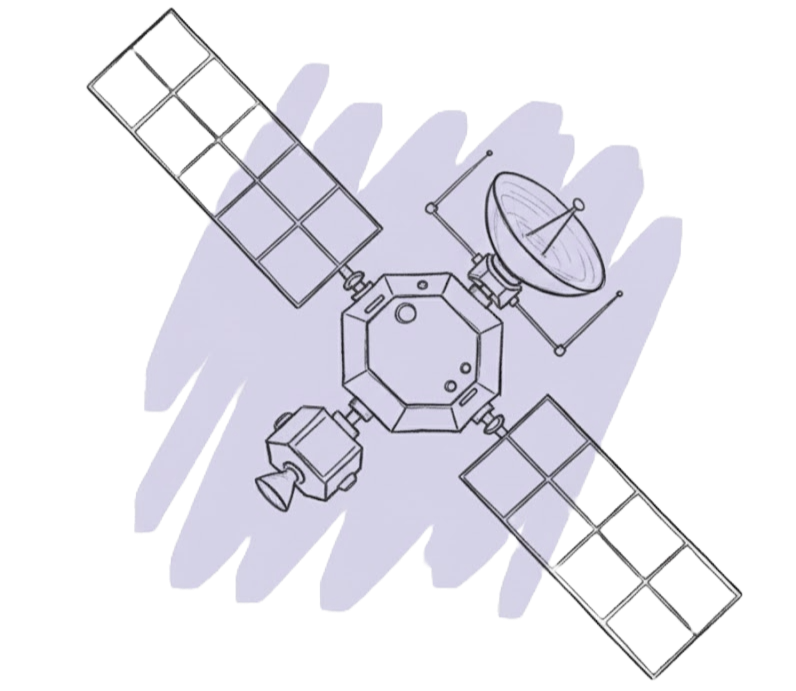
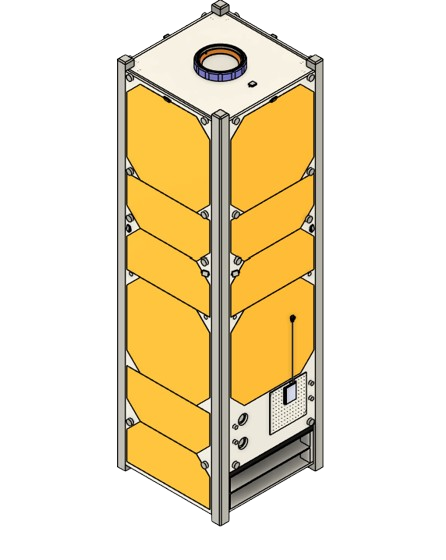
The Mod Sat is a design for an attempted uni startup where we tried to modularize the subsystems of a satellite to make it easy for on-orbit servicing.
Context:
During my Undergrad, I was part of an attempted Satellite modularization startup. I was responsible for the structural and thermal design of the product. The product was an attempt to modularize the different subsystems of a satellite (like LEGO bricks), so that customers can easily build their own satellite, and it would also allow for on-orbit servicing by creating easy replacement of modules. We were also part of the national Cansat competition for funding where I designed the structural and aero components for our satellite.
Structural:
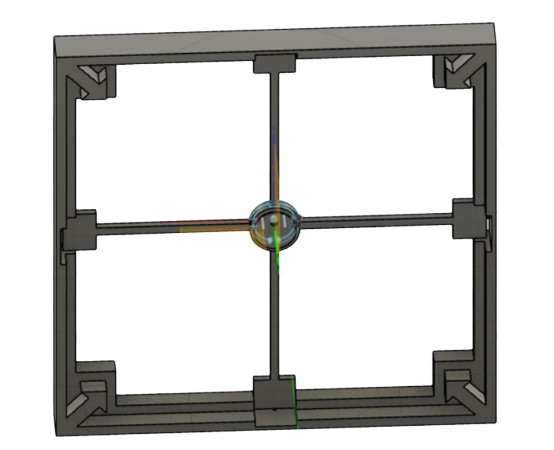
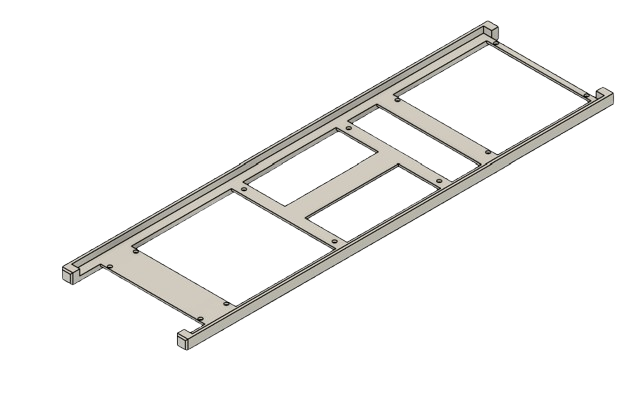
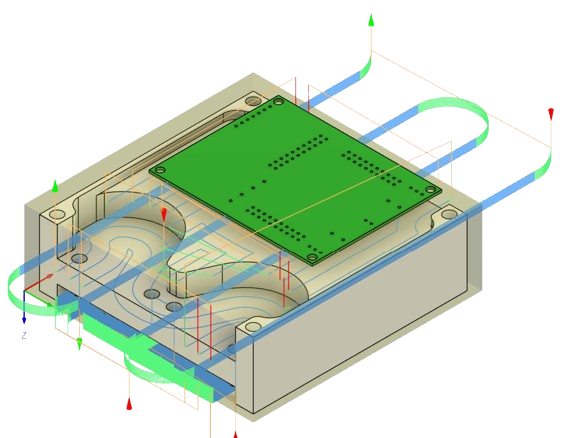
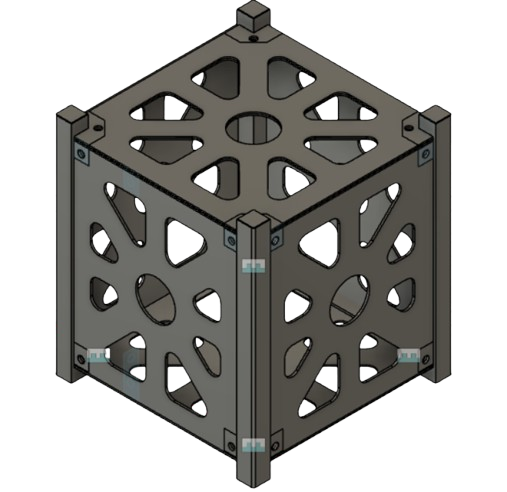
I designed the docking and undocking systems for the modules to be integrated into the satellites. I was also part of designing the rails on the frames that dock into the exoskeleton of the modules, as well as the antenna deployment system for the modular satellite. The above structures were the result of intense testing on CAM software and reviews from scientists in ISRO (Indian Space Research Organization).
Aero:
Electronics:
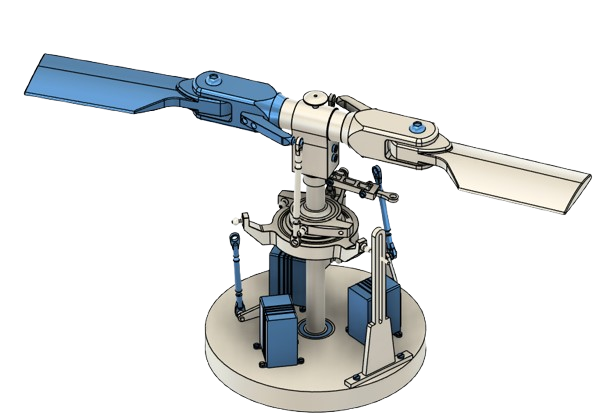
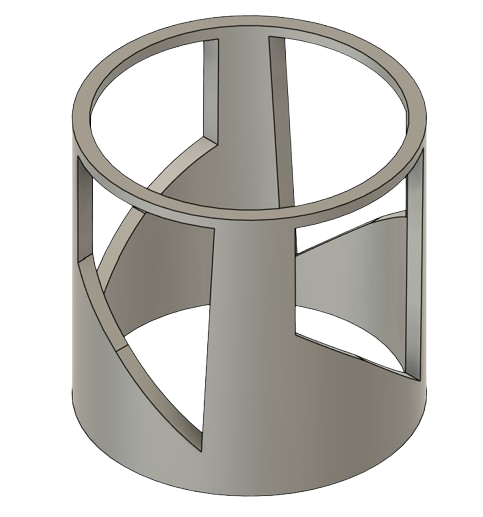
I was in charge of the Aero subsystem for the Cansat competition, which is a national competition for university-level teams to design and test the best mechanism that allows a satellite to safely land back on Earth. we designed a helicopter-like autorotate mechanism for the satellite, that helps stabilize the satellite before the parachute is deployed
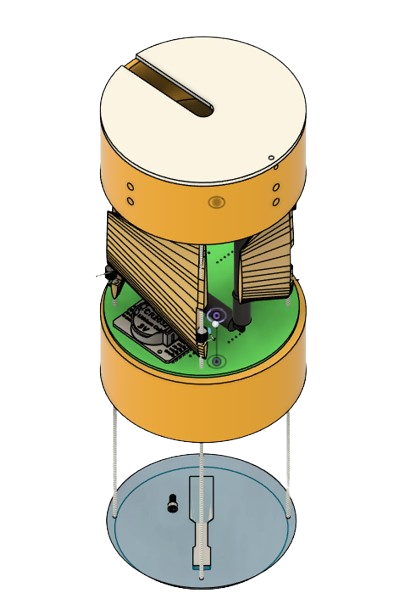
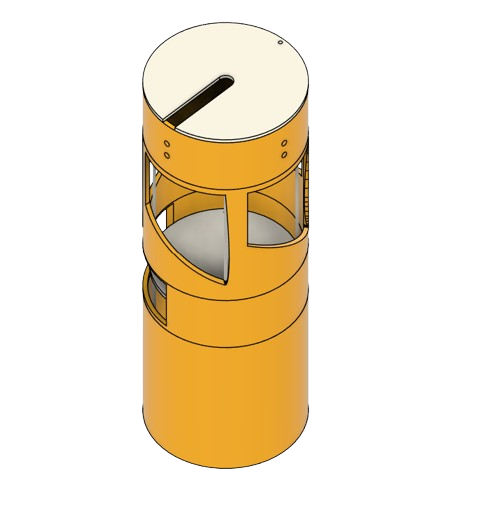
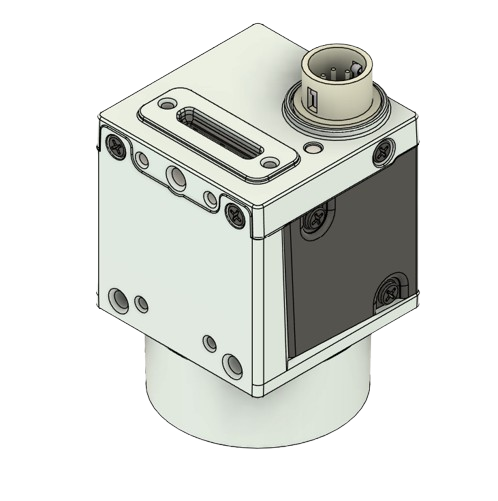
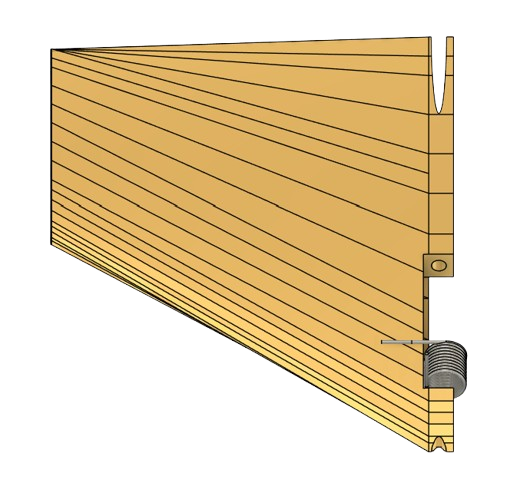
I also worked with the ADCS (Attitude Determination and Control System) and ADS (Antenna Deployment System). Here, I helped design the 3 gyroscopes involved in determining the spatial orientation of the satellite in space. In the antenna deployment system, I was involved in both the burning fuse mechanism and the electronics involved in achieving the result